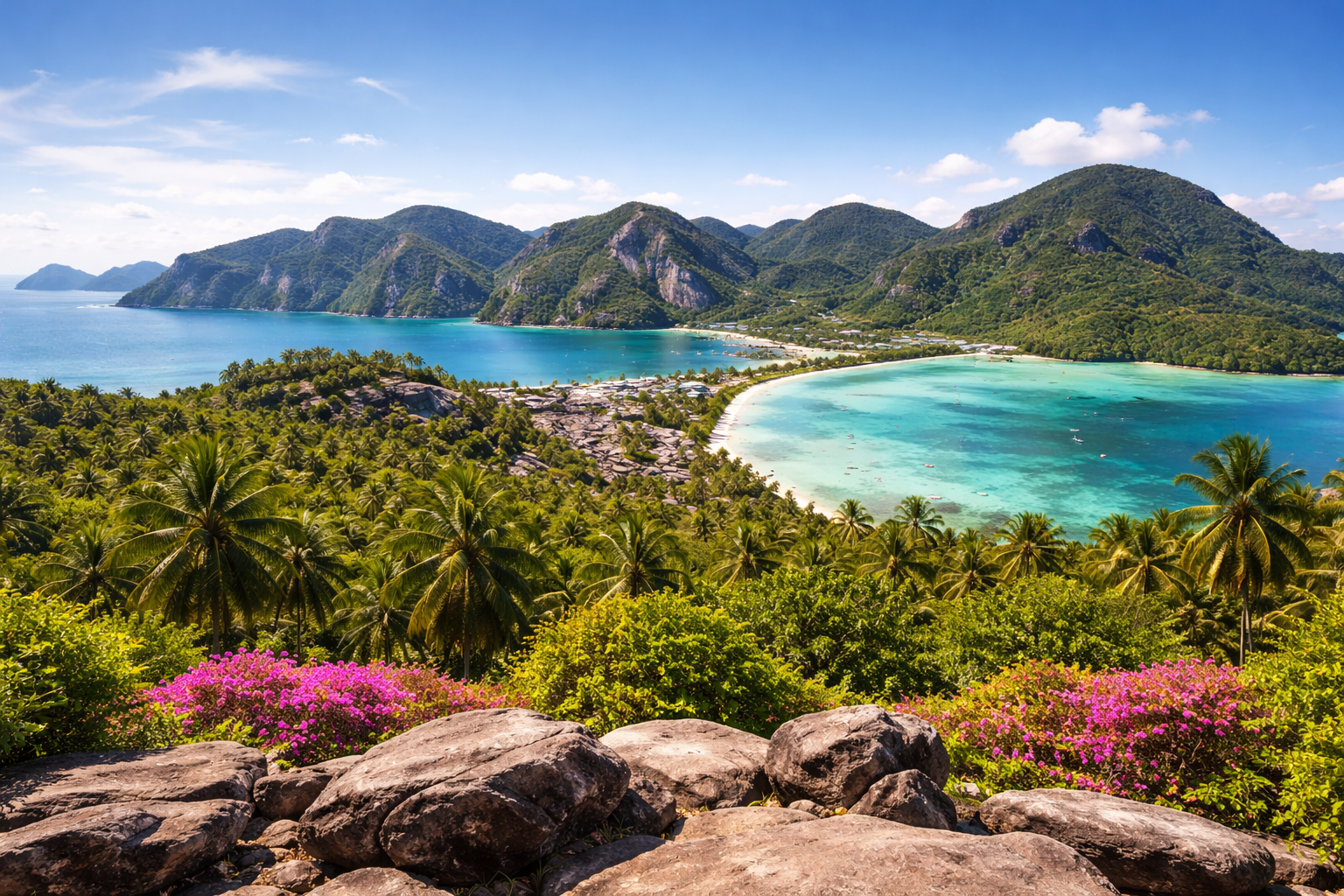
Phi Phi Islands Guide
Local guide to Phi Phi Islands Guide: best time to visit, how to get there, where to stay, and top things to do.
Phi Phi Islands is a strong pick for travelers who want dramatic bays, snorkeling, party + postcard scenery.

Best for: snorkeling, short island break, iconic viewpoints
Maybe skip if: you want a quiet, secluded island (it’s busy in high season)
Quick facts
- Ideal stay: 1–3 nights (or day trip)
- Best areas to base yourself: Tonsai (central), Long Beach (quieter)
- Top experiences: Viewpoint hike, Boat tour to Maya Bay area (rules vary), Snorkeling spots
Best time to visit
Thailand’s seasons affect comfort more than “can you visit.” Plan around heat, rain, and sea conditions:
- Cooler months: easiest for long walking days.
- Hot season: do outdoor sights early/late; plan mid-day breaks.
- Rainy season: build flexibility; short downpours are common.
If this destination involves islands/boats, check:
Who should skip this place
This destination is not the best match if:
- you strongly dislike crowds and busy tourist strips
- you want zero transfers but the destination requires boats/long drives to experience fully
- you’re sensitive to heat and plan intense outdoor days at midday
If unsure, use: Choose your base
How to get there
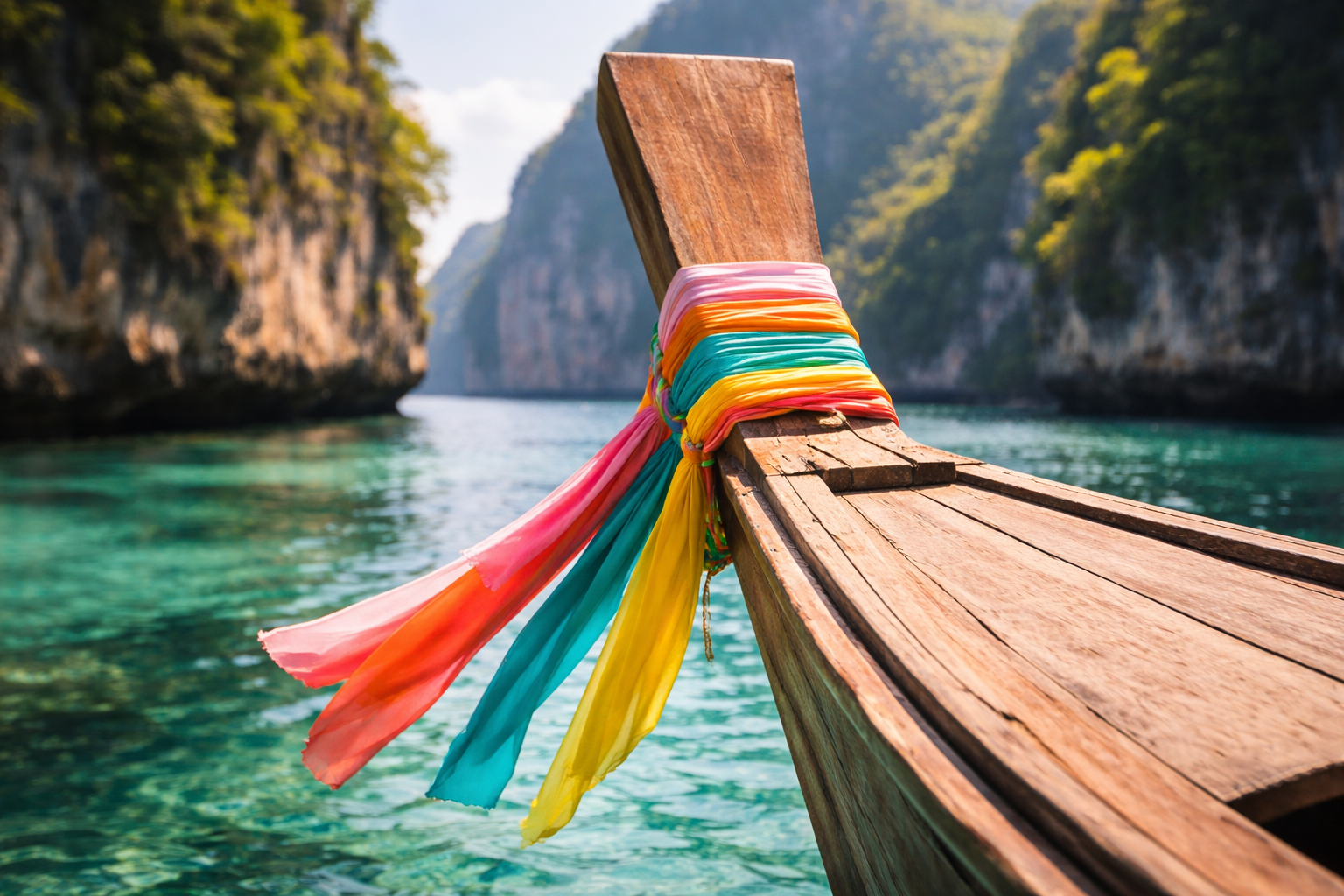
Ferry/speedboat from Phuket or Krabi (seasonal schedules).
Planning tip: if you’re combining multiple regions, choose 2–3 bases and do day trips from each:
Where to stay
Instead of hunting a “perfect hotel,” pick a base area that matches your style:
- Convenient + walkable: central areas near food and transport
- Quiet + sleep-friendly: riverside/outskirts (often better value)
- Social + nightlife: areas near night markets/bars (can be noisy)
Quick picks:
- First-timers: choose the most connected area from the list above.
- Families: prioritize pool + easy food options nearby.
- Couples: pick scenic/quiet areas with good sunset access.
- Remote work: pick stable internet + cafés/coworking nearby.
Top things to do
Start with these “high confidence” experiences (then add your personal interests):
- Viewpoint hike
- Boat tour to Maya Bay area (rules vary)
- Snorkeling spots
- Sunset cruises
If you have more time
- Combine with Phuket/Krabi and keep logistics simple
Hidden gems (low-effort, high-reward)
Pick 3–5 “small wins” and your trip will feel more local:
- Morning market walk (go early; eat something simple)
- Neighborhood café crawl away from the busiest strip
- A sunset viewpoint or riverside walk
- One local-feeling temple/museum that isn’t the #1 tourist stop
- A half-day nature/day trip that fits your vibe
Don’t chase 10 sights a day — choose a few and slow down.
Getting around
Mostly on foot; boats for beaches.
Common tip: Download offline maps, and screenshot hotel addresses in Thai for taxis.
Internet & connectivity
Thailand generally has strong mobile data in cities and most tourist areas. Focus on stability, not headline speeds.
- Mobile data is usually reliable in towns and main beach areas; more variable in remote interiors.
- Accommodation Wi‑Fi can be great or unstable — test on day 1.
- Keep a Thai SIM/eSIM so you can hotspot if Wi‑Fi fails.
Guide: Sim Cards Internet
Costs: what to budget
Prices move a lot by season and by how you travel, so treat these as rough planning ranges (not exact quotes).
- Budget style: shared rooms/simple guesthouses, street food, local transport
- Mid-range: private rooms/nice hotels, mix of local + restaurant meals, a few tours
- Comfort/luxury: resorts, taxis, guided trips, beach clubs/fine dining (where relevant)
A simple rule: book accommodation early for peak weeks, then decide the rest day-by-day.
Safety & common hassles
Thailand is generally easy to travel, but most problems are avoidable:
- Use licensed transport where possible; confirm prices before long rides.
- Watch your belongings in crowded markets/transport.
- For scooters: only ride if confident; wear a helmet; avoid rainstorms.
More:
Sample itineraries
Simple 3-day plan
- Day 1: Settle into your base area + one “must-do” highlight (Viewpoint hike).
- Day 2: Main sights loop + food focus (market/night market if available).
- Day 3: Choose one: nature / culture / beach day + a sunset spot.
Easy 7-day plan
- Days 1–2: Core highlights and neighborhoods.
- Day 3: Day trip (Combine with Phuket/Krabi and keep logistics simple).
- Day 4: Slow day: cafés, spa, pool time, light exploring.
- Day 5: Second day trip or a longer tour.
- Days 6–7: Do your favorite bits again + leave buffer for weather.
Next steps (useful related pages)
- First Time — Start here: first time
- Itineraries — Start here: itineraries
- Budget — Start here: budget
- Entry Visas — Entry & visas hub
- Plan By Month — Plan by month
- Weather — Trip intelligence: weather
- Sea conditions & ferries — Trip intelligence: sea conditions
- Exchange Rates Money — Trip intelligence: exchange rates & money
- Safety Health — Safety & health basics
- Packing — Packing list