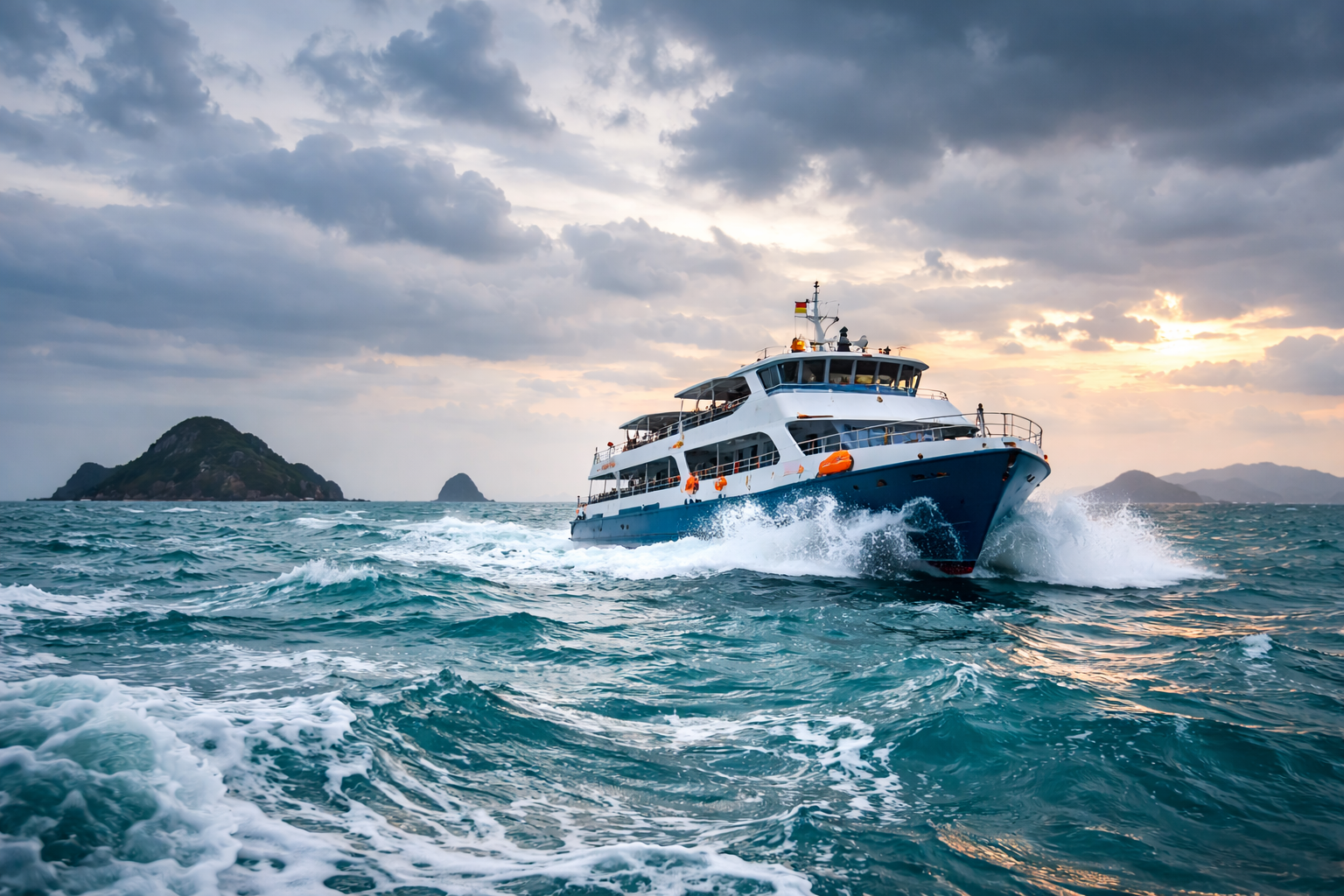
Sea Conditions & Ferries in Thailand (Andaman vs Gulf)
Plan island travel safely with sea-condition guidance for Andaman and Gulf coasts, plus ferry risk signals, cancellation clues, and transfer-day buffer strategies.
Last updated: February 19, 2026
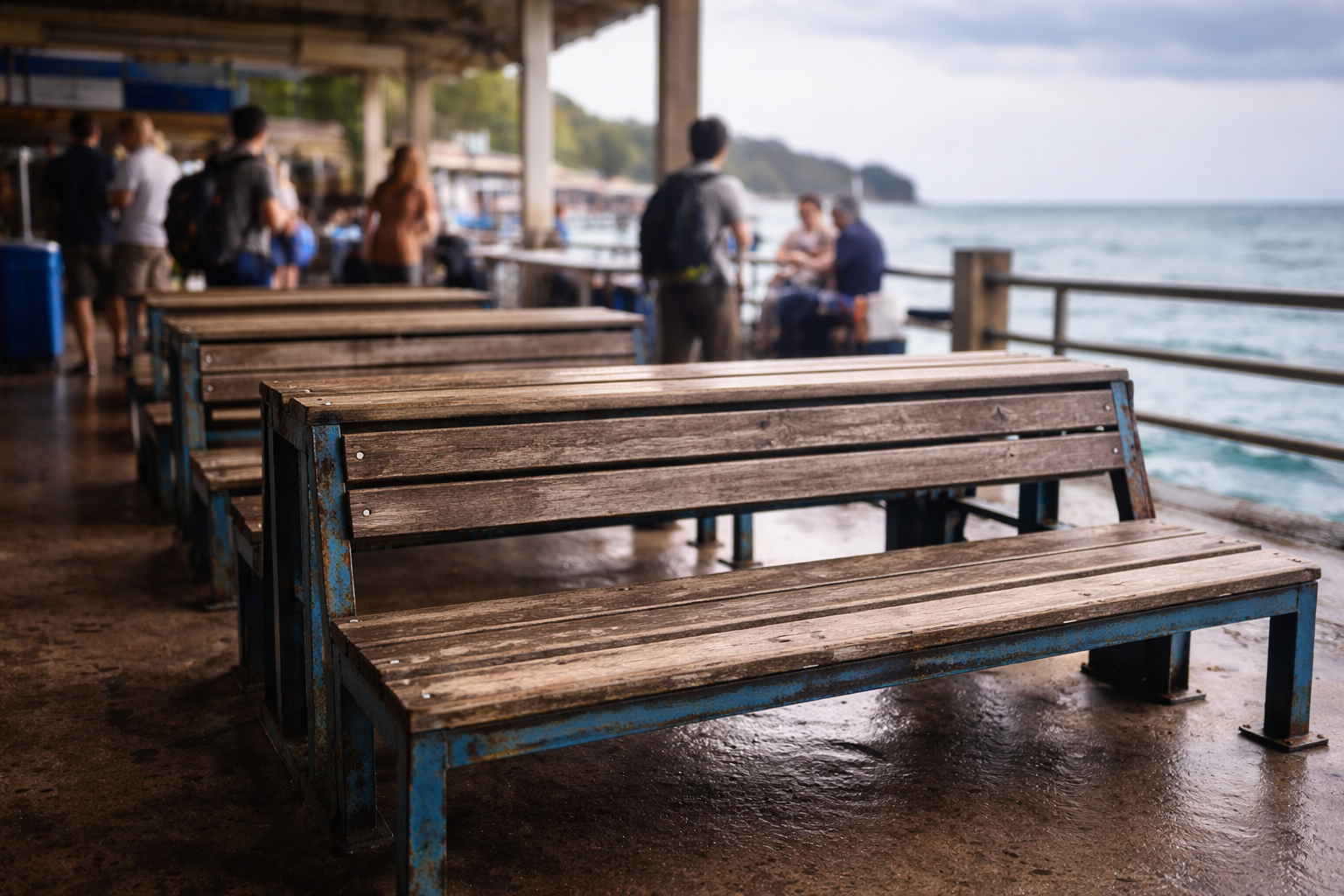
Island travel is easy — until wind and swell turn transfers into stressful days. This guide helps you:
- Understand when ferries get disrupted
- Plan routes that don’t collapse if one boat is cancelled
- Use sea-state modules we are finalizing
For long-term season planning: Andaman Vs Gulf
On this page
Live sea-state & ferry alerts (placeholders)
Live data modules for this section are being connected. Until then, use the planning guidance below.
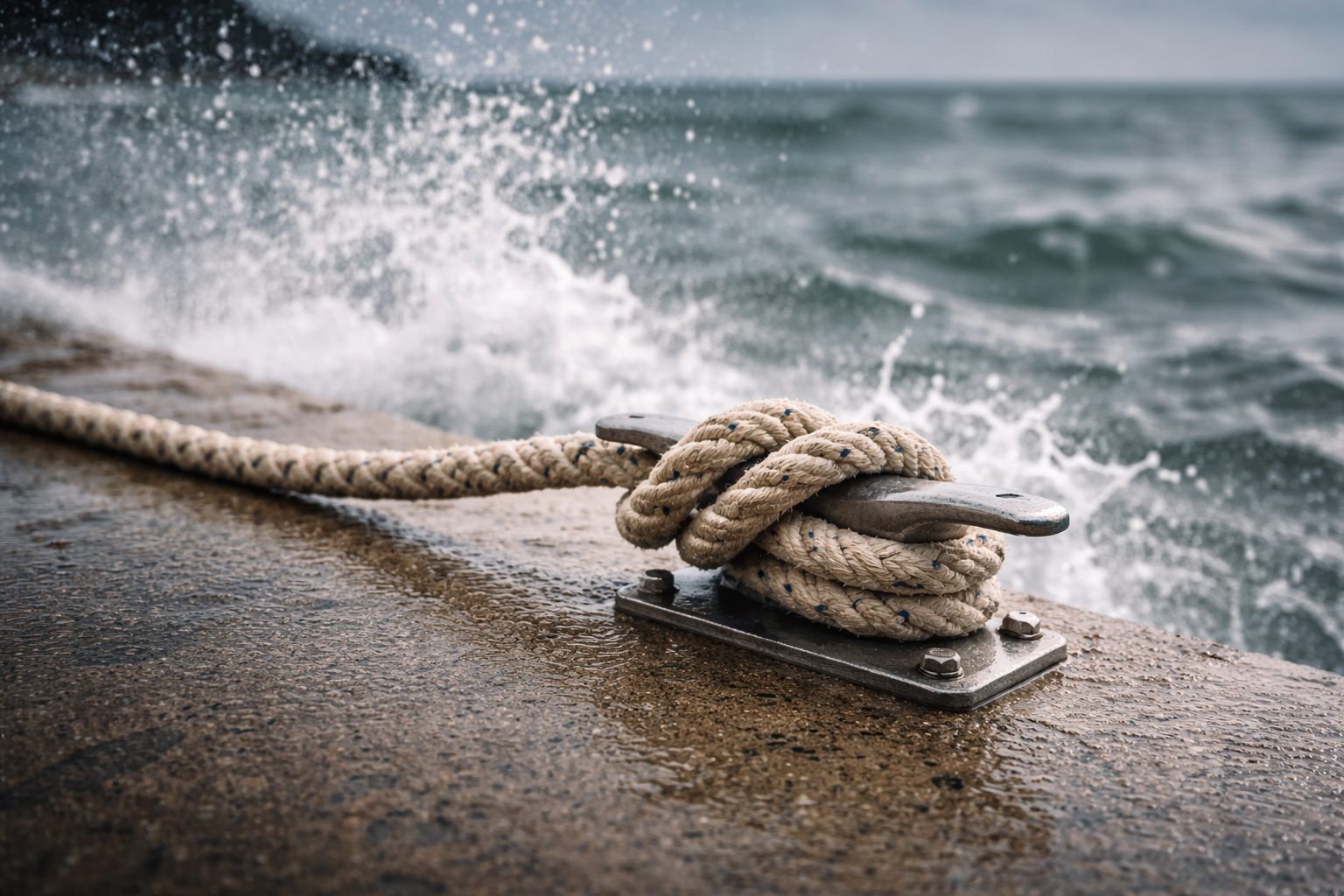
Andaman Coast (Phuket / Krabi / Phi Phi / Lanta)
- Andaman coast — sea state now
- Andaman coast — wave height
- Andaman coast — wind
- Andaman coast — ferry alerts
Gulf of Thailand (Samui / Phangan / Tao)
- Gulf coast — sea state now
- Gulf coast — wave height
- Gulf coast — wind
- Gulf coast — ferry alerts
Andaman vs Gulf: what changes
Thailand has two main island “systems”:
- Andaman (west): Phuket, Krabi, Phi Phi, Lanta, Lipe
- Gulf (east): Samui, Phangan, Tao
They can have different storm patterns. That’s why “Thailand weather” isn’t enough — you need coast-specific sea state.
Internal links:
- Islands planning: Destinations
- Month-by-month seas planning: Andaman Vs Gulf
High-risk transfer patterns
These plans are doable in perfect conditions — but fragile when seas are rough:
- Ferry + flight same day (especially if flight is in the afternoon/evening)
- Multiple island hops in a row (Phi Phi → Lanta → Phuket → …)
- Last-day sea crossings before an international flight
Better pattern
- Put your sea crossing earlier in the day
- Keep your final night on the mainland (or near the airport) before flying home
How to build buffer days
If islands are your highlight, build the itinerary so weather doesn’t “steal” them:
- Add one flexible day in the island portion (used for tours when seas are calm)
- Avoid booking your “must-do” boat tour on the day after arrival (you might want to move it)
- Keep mainland alternatives (food, beaches, viewpoints, spas) for rough days
If ferries are cancelled: what to do
Step 1: Don’t panic — cancellations are often safety-driven
- Operators may delay, reroute, or reschedule
Step 2: Choose the least stressful option
- Reschedule to the next available safe departure
- Switch to land routes if possible (bus/van) and fly if needed
- Ask your hotel to help — they do this daily
Step 3: Protect your international flight
- If you have an international departure soon, move to the mainland early
AFFILIATE SLOT (later): Transfer booking platforms + insurance that covers delays + flexible hotels.
FAQ
Should I avoid islands during monsoon?
Not automatically. Many travelers still enjoy islands in shoulder/wet periods. The key is choosing the right coast for your month and keeping buffer days.
Are speedboats safe?
Reputable operators follow safety rules and may cancel in rough seas. Always prioritize official operators and follow instructions (life jackets, seating).
When should I check conditions?
- Before booking island-heavy routes (weeks/months out)
- The day before a crossing
- The morning of travel (conditions can change)